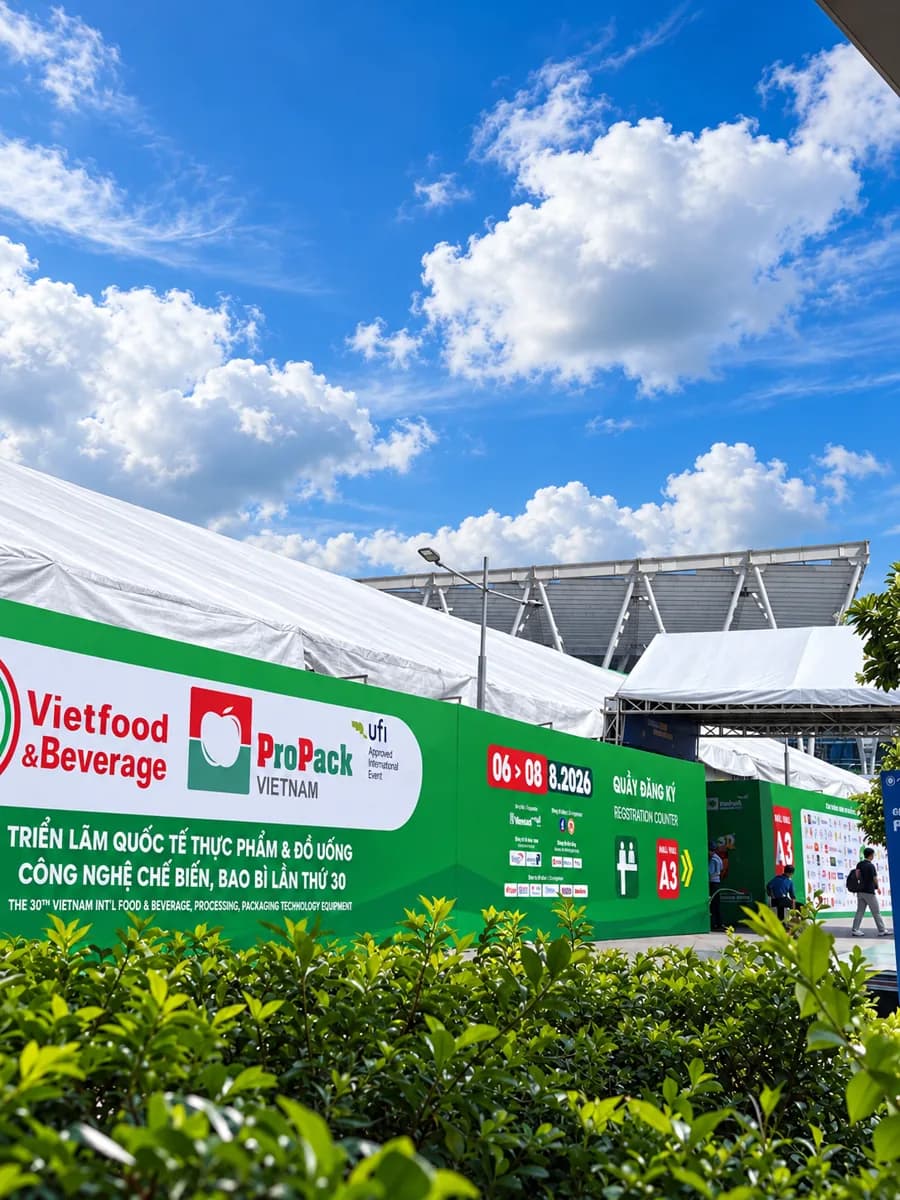
A busy booth is not the same as a valuable buyer pipeline. Trade promotion creates stronger outcomes when every meaningful conversation has context, ownership and a next step.
Define a qualified meeting before the event
Exhibition teams often count all visitors together. For export development, distinguish a consumer tasting, a service provider, an industry contact and a person who may influence a purchasing decision. Specify the product, market, intended distribution model and basic fit before the event begins.
Use a simple classification for buyer type, country, product interest, estimated scale and expected decision timeline. Avoid forcing visitors to disclose private information beyond what the conversation needs.
Record the question that matters
A business card alone rarely tells the next colleague what happened. Write a factual note: which product did the visitor ask about, which specification or document was missing and what was promised? Capture whether the person requested a sample, catalogue, price range, certificate or second meeting.
Agree on one shared notation across booth staff. A lead labelled “hot” without an explained reason is less useful than a specific request for distributor terms or product specifications. Respect consent and local data rules when recording personal details.
Build a follow-up sequence by buyer readiness
An importer asking for specifications needs a different message from a visitor who simply enjoyed a product sample. The first may receive verified product sheets and a request to confirm volume and destination. The second may receive general information only where permission and relevance justify it.
Assign one owner and a realistic next-action date to each qualified lead. If the team cannot supply a promised document, say so rather than improvising. Transparent follow-up protects credibility at the earliest stage of a commercial relationship.
Report evidence, not vanity metrics
Separate booth footfall, relevant buyer conversations, follow-up requests, qualified opportunities and concluded agreements. These are different stages, not interchangeable success claims. If a deal has not been signed or a sale cannot be verified, do not present it as confirmed revenue.
Review common objections and product questions after the event. They can guide packaging, buyer-facing websites, sales decks and market-entry priorities. The lasting value of a trade show is not only what happened at the booth, but what the team learns and can act on next.