
A Vietnamese brand approaching Japan needs a clear commercial story that survives detailed evaluation. This buyer-readiness playbook focuses on product presentation, quality evidence and a manageable first conversation, while distinguishing research about Japanese businesses in Asia from evidence of demand in Japan itself.
A research signal is a starting point
JETRO’s 2025 survey of Japanese-affiliated companies in Asia and Oceania provides a recent reference for understanding their operating environment. The survey ran from August to September 2025 and its summary is available through JETRO. Its scope matters: Japanese companies operating overseas are not the same population as Japanese consumers or retailers. Use the report to frame questions, not to claim that every Vietnamese product has a ready market in Japan.
For a prospective exporter, begin with one product range and one buyer type. A homeware brand may approach a specialist distributor, a design retailer or a hospitality purchaser. These audiences evaluate different economics and product details. Specify the channel before deciding which story, sample set and sales materials to prepare.
Make the promise small enough to prove
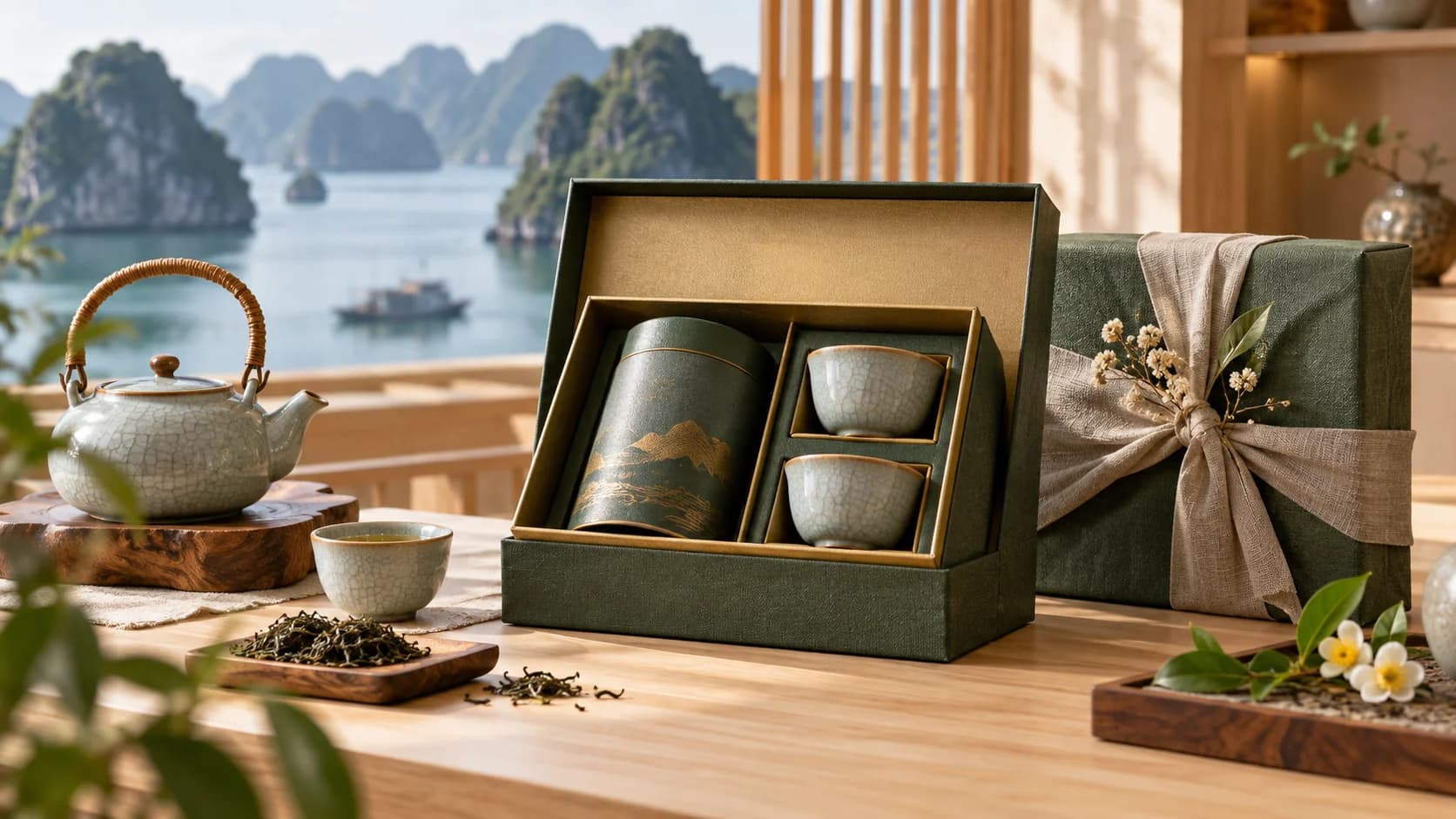
Translate the brand proposition into a practical buying reason. Instead of describing a product only as authentic or premium, show the material, finish, use case and care requirements. If the offer relies on handmade variation, explain that variation clearly. If it promises consistency, demonstrate the controls behind it. Product photography should reveal the details a buyer would inspect in person.
A Vietnamese origin story can add meaning when it connects to the product. Describe the relevant craft, ingredient or design perspective without relying on vague national imagery. The strongest story helps a buyer explain the range to their own customer. Knock Knock can connect brand positioning with packaging and creative production so the sales argument remains recognizable across touchpoints.
Build a reviewable sample and information set
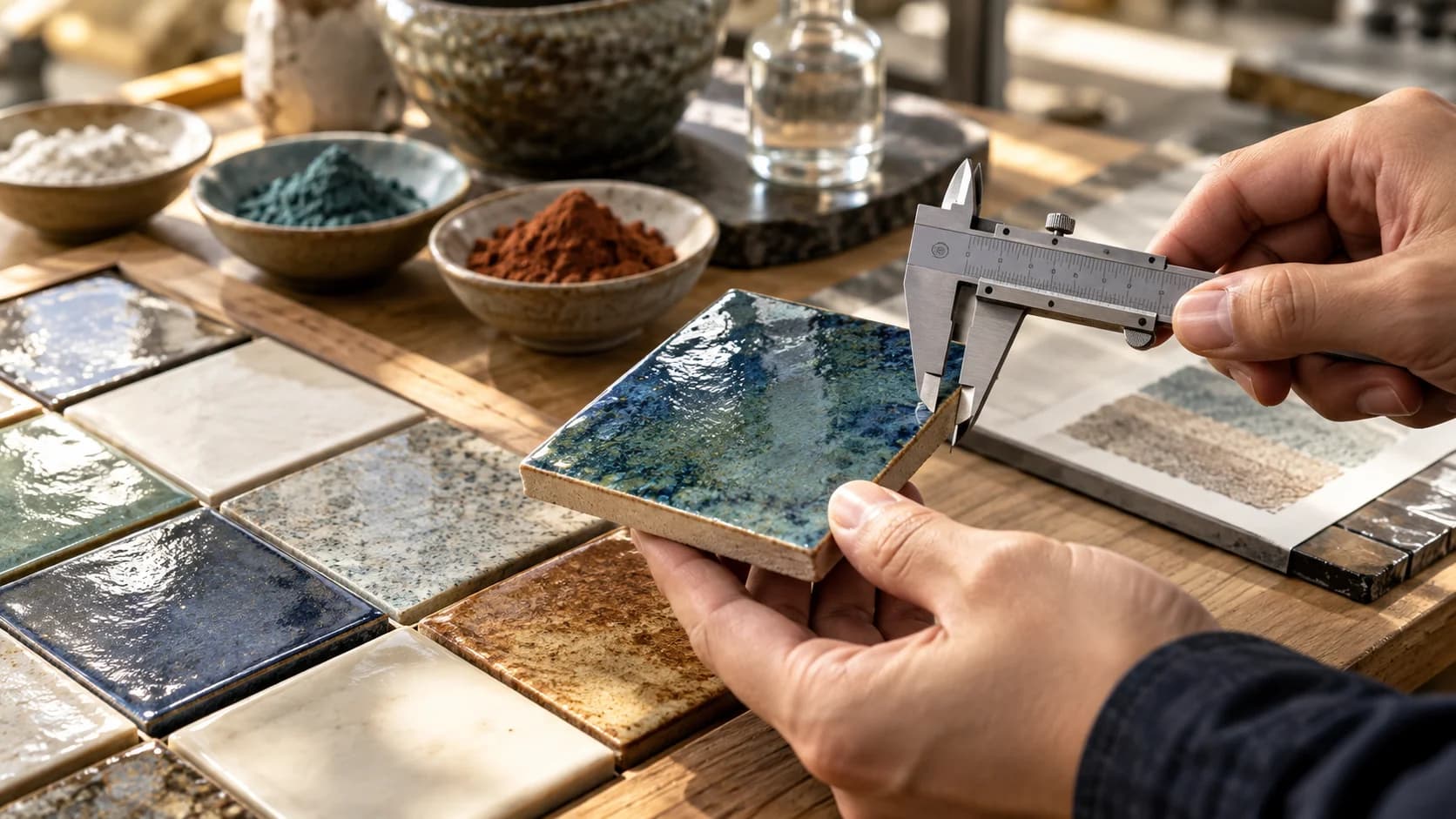
Prepare a sample set with a clear index, product identifiers and specifications. Keep dimensions, materials, color references and photography aligned. Include relevant quality documentation the business actually holds, and clarify what can be supplied on request. When a question requires specialist regulatory interpretation, obtain qualified advice for the product and destination rather than relying on a generic market guide.
Commercial conversations also need boundaries. Explain sample timing, indicative order quantities and the process for confirming production schedules. Ask who will review the offer and what evidence they need. This turns an introductory meeting into a defined evaluation process and helps both parties avoid a long exchange of incomplete information.
Localize the buying journey, not only the headline
Review the presentation with a suitable language and market specialist. Product names, measurements, support information and the route to an enquiry should remain clear together. A translated slogan cannot compensate for missing specifications or an unclear response process. Test the digital catalog on mobile and make documents easy to forward internally.
Start with a controlled pilot: a limited range, a specific buyer profile and an agreed next decision. Review sample feedback before expanding the campaign. A small first step can reveal which product story resonates and which operational details need improvement. Knock Knock’s digital and marketing capabilities can help turn these findings into clearer buyer-facing materials.
From introduction to a working relationship
Plan the follow-up before the introduction. Assign a contact owner, record each question and respond with evidence specific to the discussion. Measure useful progress through sample reviews, qualified conversations and agreed evaluations. These signals provide a stronger basis for investment than visibility alone.
For Japanese businesses exploring Vietnam, the same discipline applies in reverse: describe the category, target customer and local support needed. Knock Knock can help structure a market development brief that connects presentation, communication and trade promotion. A precise offer and a reliable next step make the relationship easier to begin.
Sources & further reading
Reviewed on 3 October 2026. Research findings are attributed above; business recommendations and future scenarios are Knock Knock’s editorial analysis.
- JETRO: 2025 survey of Japanese-affiliated companies in Asia and Oceania
- JETRO: survey reports and research library
Editorial imagery is AI-generated and illustrates the topic; it does not document the named research projects.
Explore trade promotion and market development