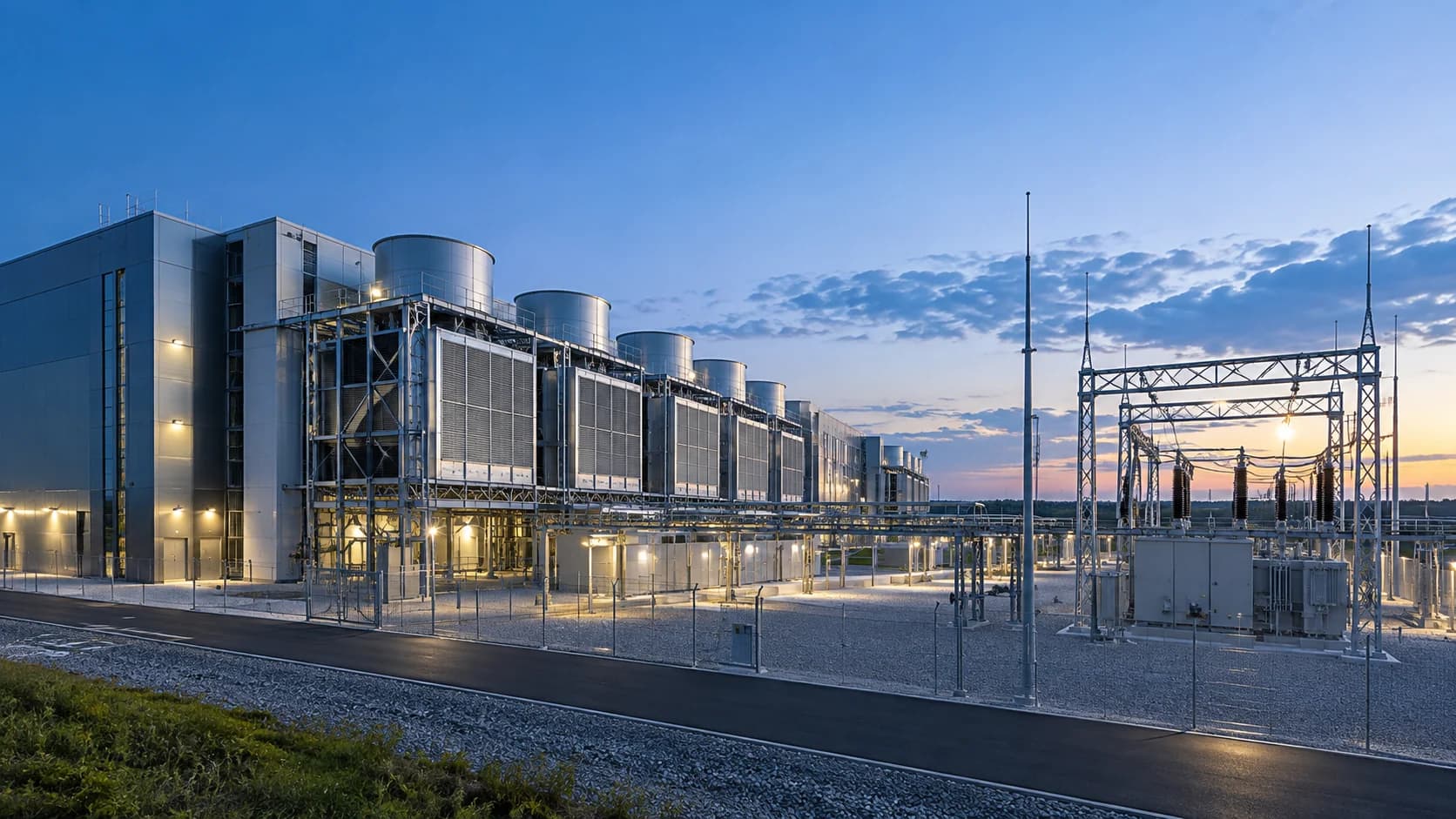
The experience may live in a browser, but AI still depends on physical infrastructure. For business teams, that connection changes how a service should be costed and evaluated.
The global context behind the interface
The IEA’s Key Questions on Energy and AI, published on 16 April 2026, examines data-centre investment, electricity demand and the response of grids and supply chains. It is background research for the current Super Intelligence debate, not a new October announcement.
Its relevance is practical: software choices sit within a wider system of computing capacity and energy supply. A business does not need to forecast that whole system to ask better questions about cost, availability and resilience.
Budget for a completed task
Compare providers using the cost of completing an acceptable piece of work. Include repeated attempts, review, storage and the time spent correcting output. A cheaper individual request may be a more expensive workflow if it needs frequent retries or produces work that customers reject.
Separate workloads by purpose. An internal classification task and a premium campaign visual have different quality requirements. Route each to an appropriate process, and avoid regenerating material that is already approved. This is an operational efficiency recommendation; it does not imply a measured energy saving without supporting data.
Make resilience part of service quality
Ask how the workflow behaves if a provider is unavailable or a usage limit is reached. Keep approved assets and essential information accessible to the team. Decide which work can wait, which can move to another process and which needs a person immediately. Document that choice before an urgent customer deadline.
For Knock Knock, an AI brief connects creative quality, business economics and delivery reliability. A smaller number of well-directed iterations can be more useful than an uncontrolled stream of output. Review consumption alongside accepted results, then improve the workflow that produces them. Infrastructure becomes a business issue when it affects the promise made to the customer.
Sources & further reading
Reviewed on 9 October 2026. Research findings are attributed above; business recommendations and future scenarios are Knock Knock’s editorial analysis.
Editorial imagery is AI-generated and illustrates the topic; it does not document the named research projects.
Explore practical AI business solutions