
Vietnam’s expanding trade creates more conversations, but an international order still depends on specific product evidence, a workable buying process and confidence in the people behind it. This October 2026 briefing connects the latest available trade reporting with a practical buyer-readiness plan for Vietnamese exporters and overseas businesses exploring Vietnam.
The October briefing: strong trade, different business realities
Vietnam’s National Statistics Office reported preliminary January–August 2026 merchandise trade of US$770.14 billion: exports of US$374.84 billion and imports of US$395.3 billion. Reuters’ 3 October report adds a more recent September snapshot, with exports of US$59.48 billion and imports of US$58.21 billion. These are different reporting periods, not interchangeable totals. The official monthly tables remain the reference for detailed country and product comparisons.
For a business owner, the useful question is narrower than whether national trade is growing. Which customers can the company serve profitably? Which products have repeatable quality? Which purchasing constraints prevent a prospect from taking the next step? A strong headline can justify investigating a market, but it cannot establish demand for an individual brand. Separate the macroeconomic opportunity from the commercial assumptions that still need testing.
An overseas distributor reviewing Vietnamese suppliers and a Vietnamese manufacturer approaching a regional retailer face different decisions. One needs reliable selection and coordination; the other needs a compelling, verifiable offer. Treat these as two connected journeys rather than assuming that a single company profile can answer every buyer’s concerns.
Read the report through your product category
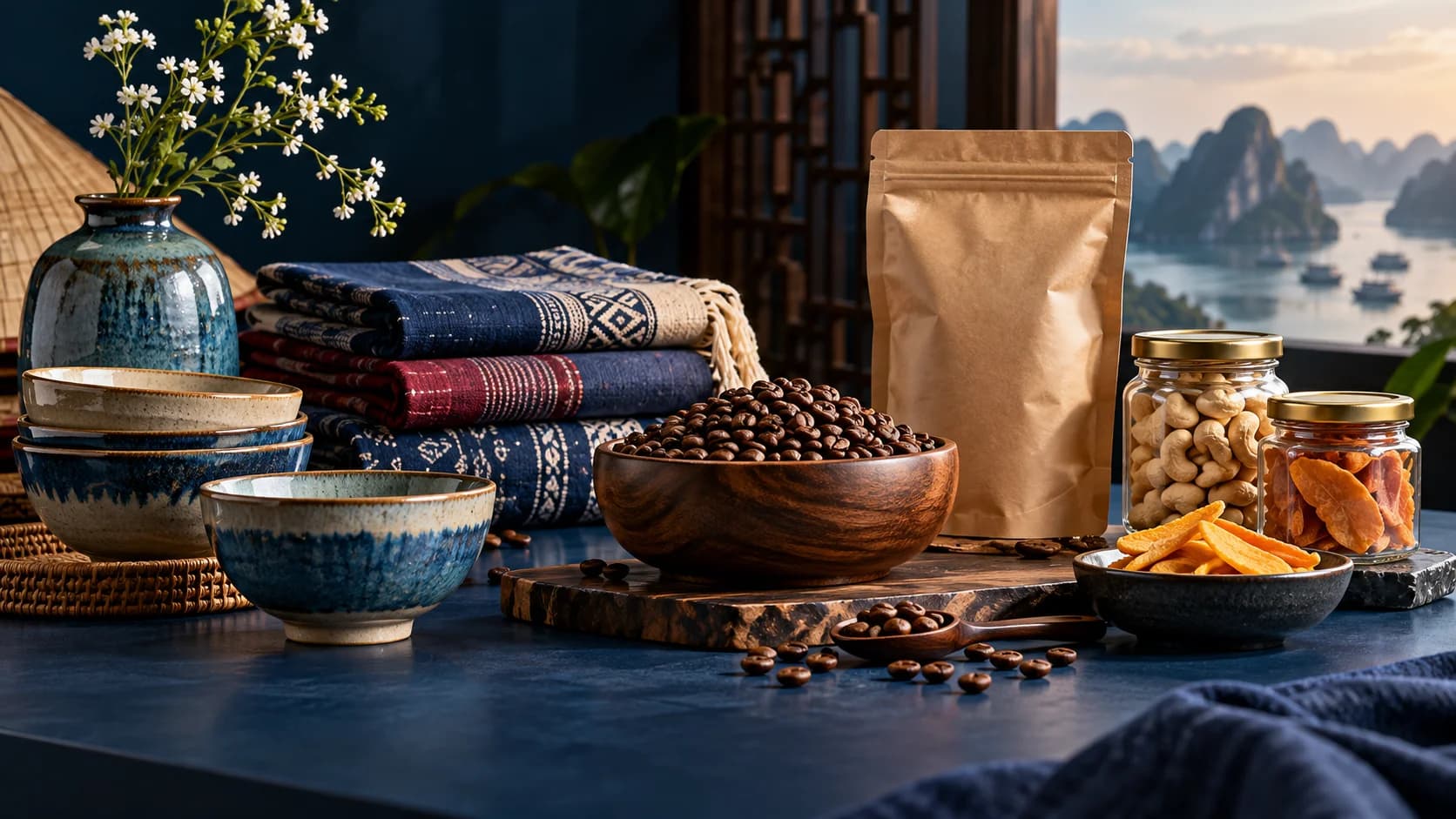
Start with a category hypothesis. Specify the product, target buyer, use case and intended channel before studying a country total. A furniture producer might compare hospitality purchasing with independent retail. A food exporter might distinguish private-label supply from branded distribution. An industrial component supplier should define the production problem its part solves. Each choice changes the evidence and samples required.
Build a simple research sheet containing the reporting period, source, relevant product classification, destination and the decision the data supports. Keep preliminary figures identified as preliminary. Avoid treating national export growth as a forecast for your own sales. A disciplined research sheet makes the eventual pitch more credible because everyone can distinguish verified information from a working assumption.
Then speak with a small number of suitable buyers. Ask what they currently purchase, which specifications are difficult to source and what disqualifies a new supplier. These conversations can reveal more about an opportunity than a broad market-size estimate. Record the answers consistently so that the next round of outreach responds to evidence instead of repeating an attractive but untested story.

Position a Vietnamese brand around a buyer’s decision
Country of origin can introduce a story; it should not carry the entire value proposition. Explain the practical benefit of the product, the difference from alternatives and the customer it serves. For a premium consumer brand, this may involve material quality, design and presentation. For a manufacturing business, repeatability, specification control and responsiveness may matter more. Choose the distinction you can demonstrate.
Create an evidence ladder. Put the core promise first, show the relevant product detail second and make supporting documentation easy to request. Use only certifications, test results and customer references the company can substantiate and is permitted to disclose. A beautiful presentation becomes useful when it helps a buyer understand what to evaluate, rather than asking them to accept broad claims.
Keep the brand system consistent across packaging, presentations, product photography and the website. This does not require making every document look identical. It requires the same product names, proposition and proof to appear wherever a buyer checks the business. Knock Knock’s brand-building and creative-production work can support this foundation before trade outreach begins.

Prepare a buyer kit that travels without you
A useful buyer kit includes a concise company introduction, a focused product range, clear specifications, relevant quality evidence and an obvious contact route. Make commercial details easy to confirm: sample availability, order quantities, production timing and the person responsible for quotations. Identify indicative information as indicative, and avoid presenting an unapproved estimate as a commitment.
Design the kit for forwarding. The first contact may need to share your offer with procurement, marketing, operations or a regional office. Give each reader a clear route to the information that concerns them. One well-organized product page can be more useful than a large presentation when it separates a short overview from downloadable technical detail.
Digital experience is part of export readiness. Test the website on a phone, check that enquiry forms work and make response ownership explicit. Where an AI assistant helps route enquiries or organize product information, keep the underlying catalog accurate and retain human review of commercial answers. Technology should reduce the effort of buying, not introduce another source of uncertainty.
Use an exhibition as a sequence of commercial steps
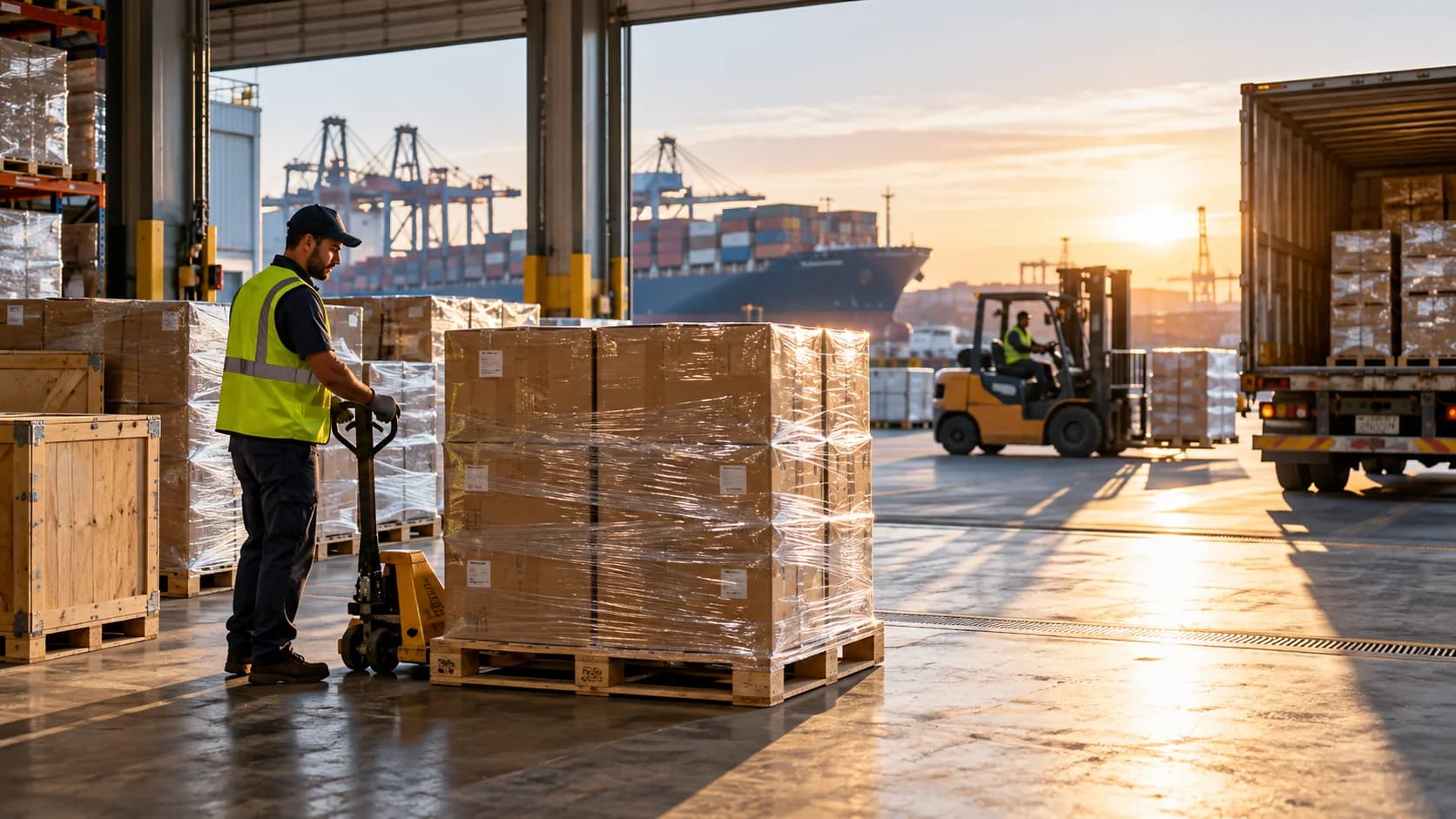
An exhibition should sit between preparation and follow-up. Before attending, define a small number of suitable buyer profiles, identify the conversations worth prioritizing and prepare materials for those audiences. Decide what counts as a qualified enquiry. A visitor who appreciates the booth is different from a buyer who can explain a relevant need, budget process and next decision.
During meetings, record the product discussed, intended channel, requested evidence and agreed next action. Capture these details with the visitor’s permission and assign an owner. Avoid measuring success solely through badge scans or business-card volume. A smaller set of relevant conversations with clear follow-up can provide better commercial learning than an impressive but unqualified contact list.
After the event, respond with the exact material requested. A sample discussion needs a sample plan; a distributor discussion needs channel assumptions; a technical discussion needs specifications. Set a realistic follow-up interval and keep the conversation useful. Knock Knock’s trade promotion role can connect buyer-facing communication, local coordination and this follow-through around the client’s brief.
For international buyers: make the Vietnam brief precise
International clients can accelerate an initial conversation by describing what they need to buy or develop. Include the product category, target market, intended volume range, required evidence and timeline. Explain whether the priority is sourcing, a local launch, distributor conversations or participation in a trade event. A precise brief gives potential partners a basis for evaluating fit.
Compare candidates with the same questions and sample criteria. Keep design appeal, communication quality and operational capability separate in the evaluation, then consider how they work together. If independent testing, customs advice or specialist compliance review is needed, identify the appropriate qualified provider. A trade promotion partner can organize communication without claiming to replace every specialist involved in a transaction.
Begin with a bounded pilot and a review point. Confirm responsibilities, evaluate the response quality and check whether assumptions survive contact with the market. The aim is to create a repeatable working relationship. Vietnam’s trade momentum is an invitation to investigate; buyer confidence is built through specific evidence, consistent execution and useful conversations.
Sources & further reading
Reviewed on 3 October 2026. Research findings are attributed above; business recommendations and future scenarios are Knock Knock’s editorial analysis.
- National Statistics Office: Vietnam merchandise trade, January–August 2026
- Reuters, 3 October 2026: Vietnam third-quarter growth and September trade
- National Statistics Office: preliminary monthly import and export tables for 2026
Editorial imagery is AI-generated and illustrates the topic; it does not document the named research projects.
Explore trade promotion and market development