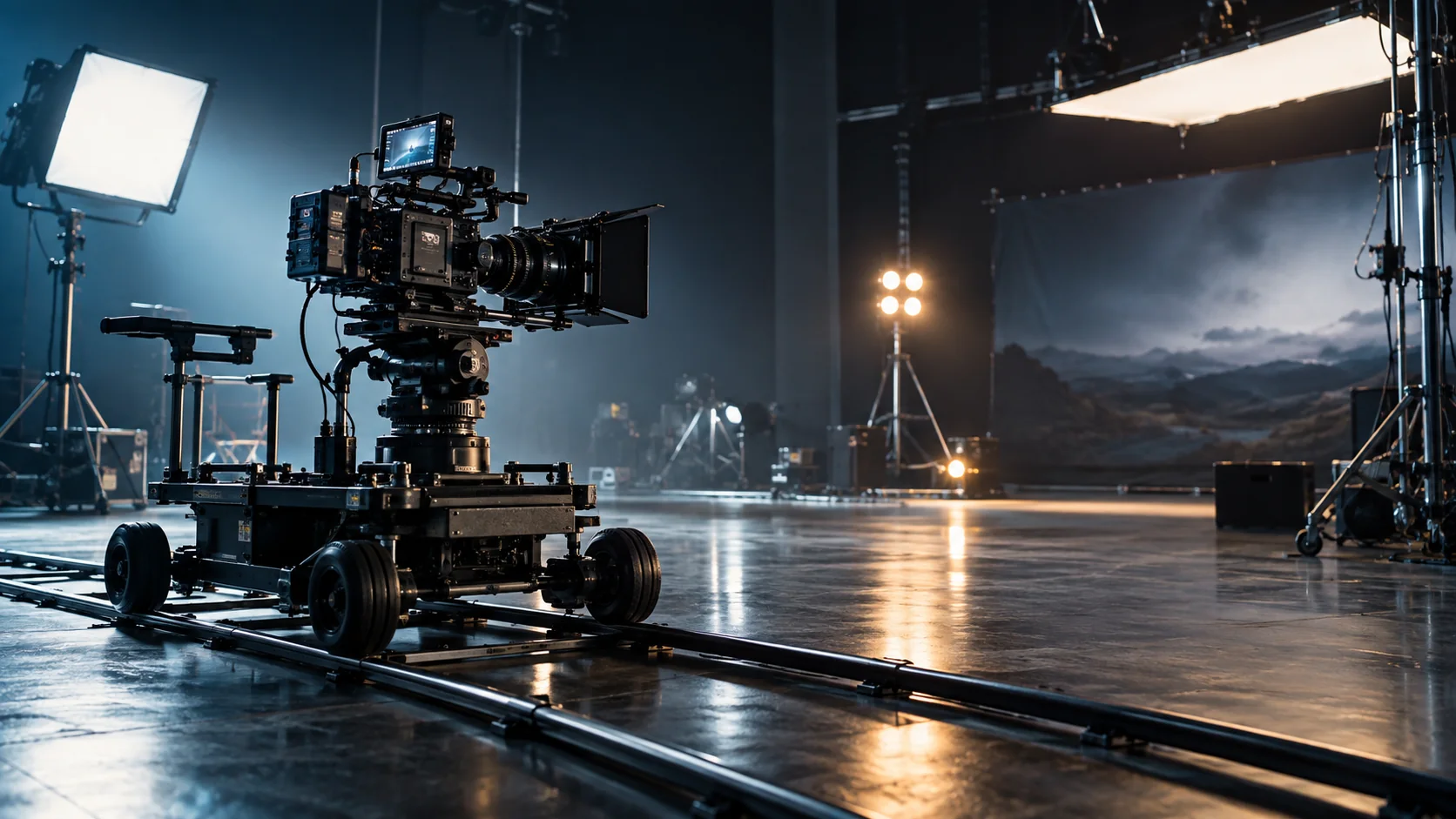
Creative production becomes commercially useful when the visual idea is built around audience, channel, objective and the decisions the business wants people to make.
Production should start with a reason.
Before choosing a camera style, 3D treatment or motion language, define what the content needs to achieve and where it will be used.
That decision shapes format, duration, composition, copy space and production priorities.

One idea can power a full system.
A strong creative direction can expand into photography, video, social cutdowns, website visuals, sales materials and exhibition assets.
This creates consistency while improving the return on the original production investment.
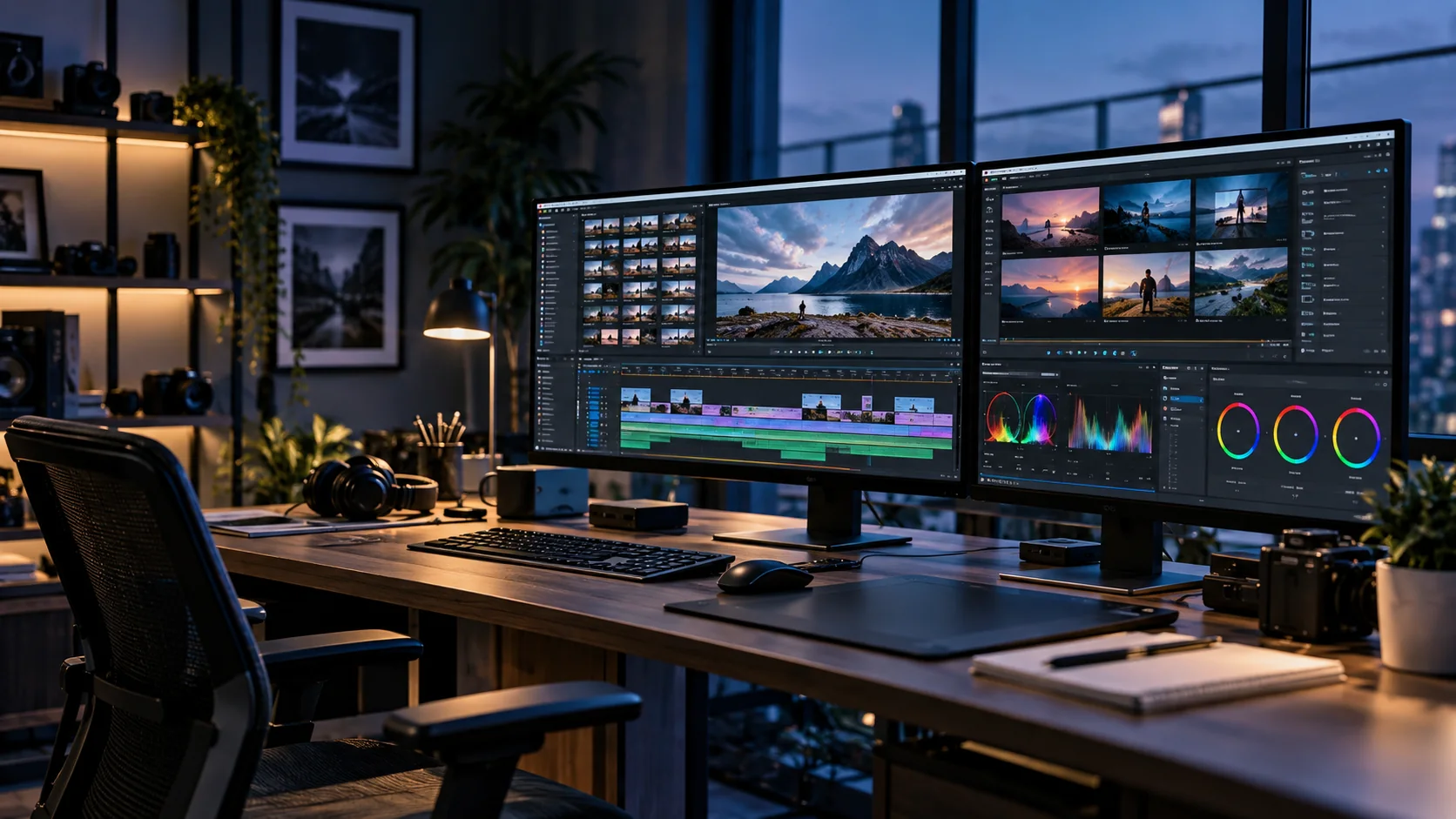
Craft still matters in fast workflows.
AI and modern production tools can accelerate exploration, but final quality depends on art direction, editing, detail and context.
Commercial creative work succeeds when speed and craft support the same strategic idea.
Define what the audience needs to understand
A production brief should identify the audience, the message and the action the work supports. A brand film might introduce a company’s point of view, while a product demonstration needs to explain a specific benefit clearly. Decide which job the asset must perform before choosing a visual style or planning an elaborate shoot.
Gather the evidence and references needed to make that message credible. Product details, approved claims, customer questions and brand principles should all inform the creative direction. Write down what must be shown accurately and what can be treated conceptually. This helps the production team make purposeful choices instead of relying on attractive imagery that has little connection with the offer.
Plan the asset system before the shoot
List the placements in which the material will appear, including website banners, vertical social video, advertising and sales presentations. Each placement may require a different crop, duration or information hierarchy. Plan those needs before filming so that important subjects and product details are not lost when the footage is adapted later.
Create a shot list that covers the main story and useful supporting material. Include clean product views, natural interaction and transitions that an editor can use across formats. Confirm deliverables, usage permissions, approval stages and file handover in the production scope. A carefully planned asset system often creates more lasting value than a single impressive final film.
Use approval stages to protect the idea
Review the concept and treatment before resources are committed to production. Agree on the central message, visual references and practical constraints with the decision-makers. During production, keep a clear route for resolving questions about products, styling or accuracy. This reduces the risk of discovering a fundamental disagreement only after the shoot is complete.
Post-production should include separate reviews for narrative, visual craft and technical delivery. Check captions, sound, color consistency and the intended viewing context. A film watched silently on a phone may need different communication support from one shown in a meeting. Review the actual export formats so that the approved idea survives the final delivery.
Evaluate the work in its commercial context
Define the performance question before launch. Is the content helping people understand a complex service, improving the quality of enquiries or supporting sales conversations? Combine relevant campaign data with feedback from the team using the assets. View counts alone rarely explain whether a production has fulfilled its intended role.
Maintain a searchable library of approved files with descriptions of their intended use. Record useful learning about messages, formats and audience responses so that the next brief starts from evidence. Creative production becomes a strategic investment when the company can reuse the assets appropriately, learn from the response and connect future work with a clearer understanding of its customers.