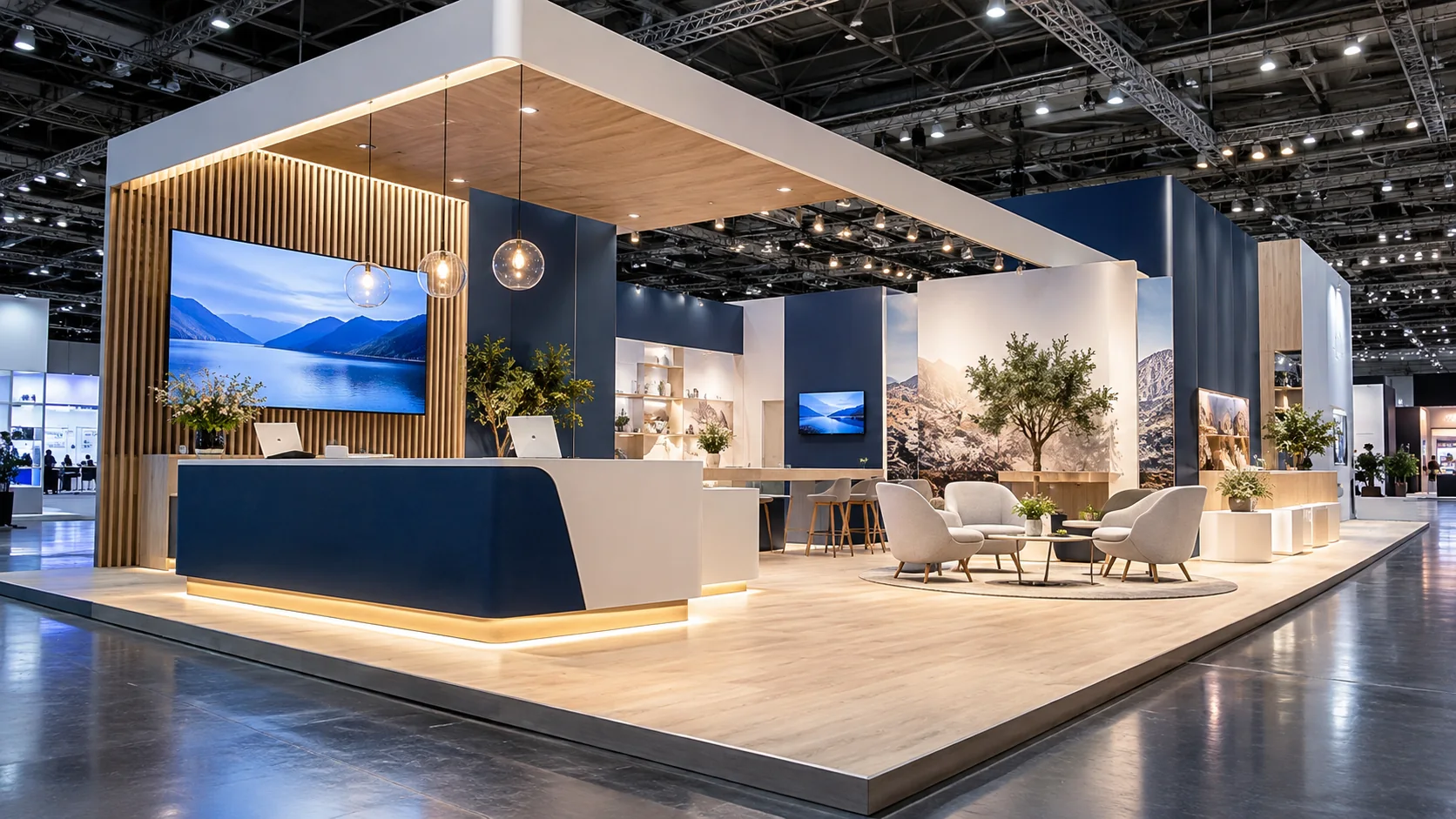
A trade fair performs better when the booth, message, target list and follow-up process are designed around one commercial objective.
Define the outcome before the booth.
Decide whether the priority is distributors, buyers, market intelligence, partnership development or brand visibility. Each objective changes what the team should prepare.
A short target list and a clear meeting plan are often more valuable than maximizing foot traffic.
Design every touchpoint for fast understanding.
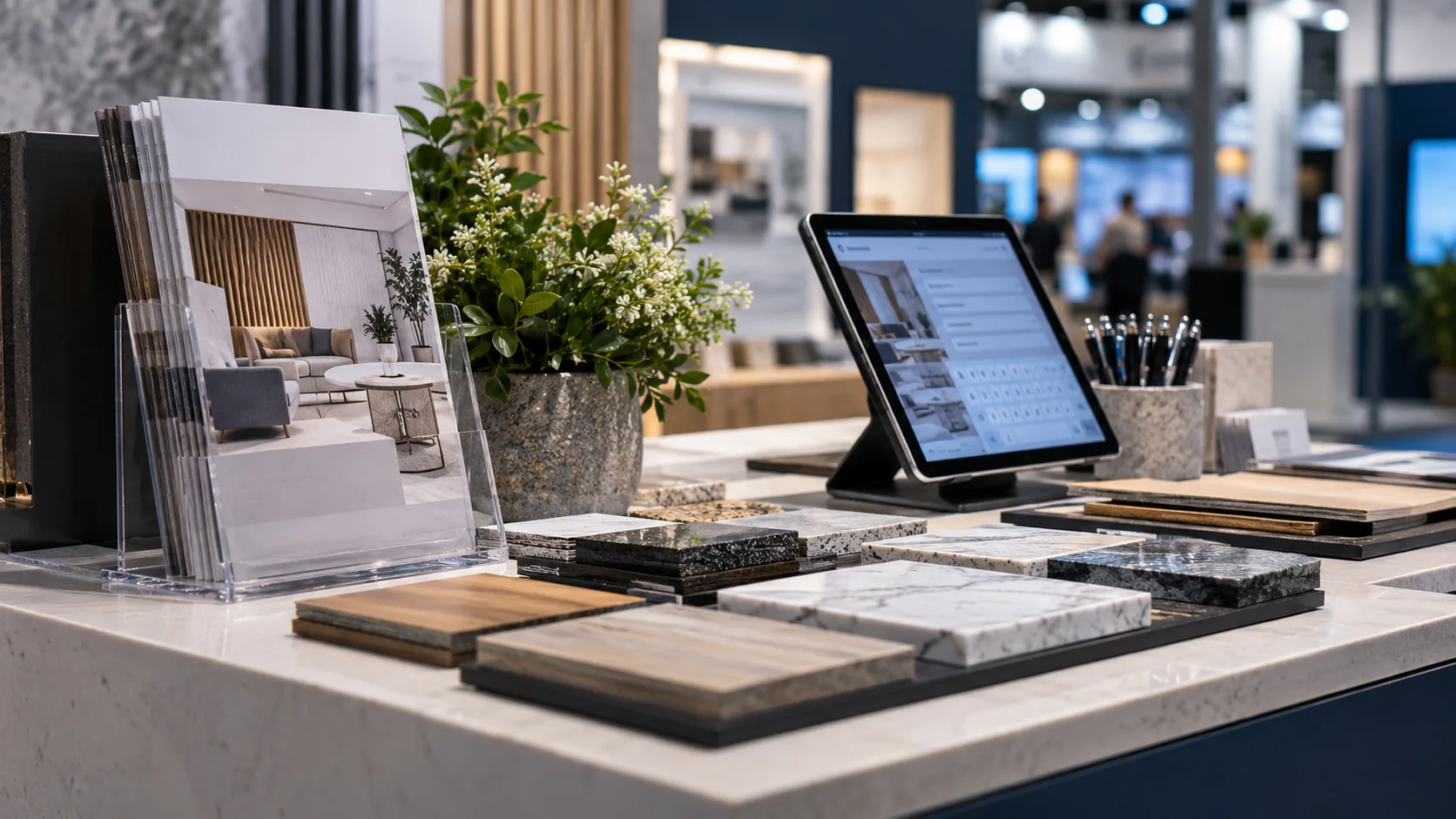
Visitors should understand the product, advantage and next step within seconds. Booth graphics, samples, brochures and digital materials need a simple shared message.
Multilingual support and clear commercial information can reduce friction for international visitors.
The event ends after the follow-up.
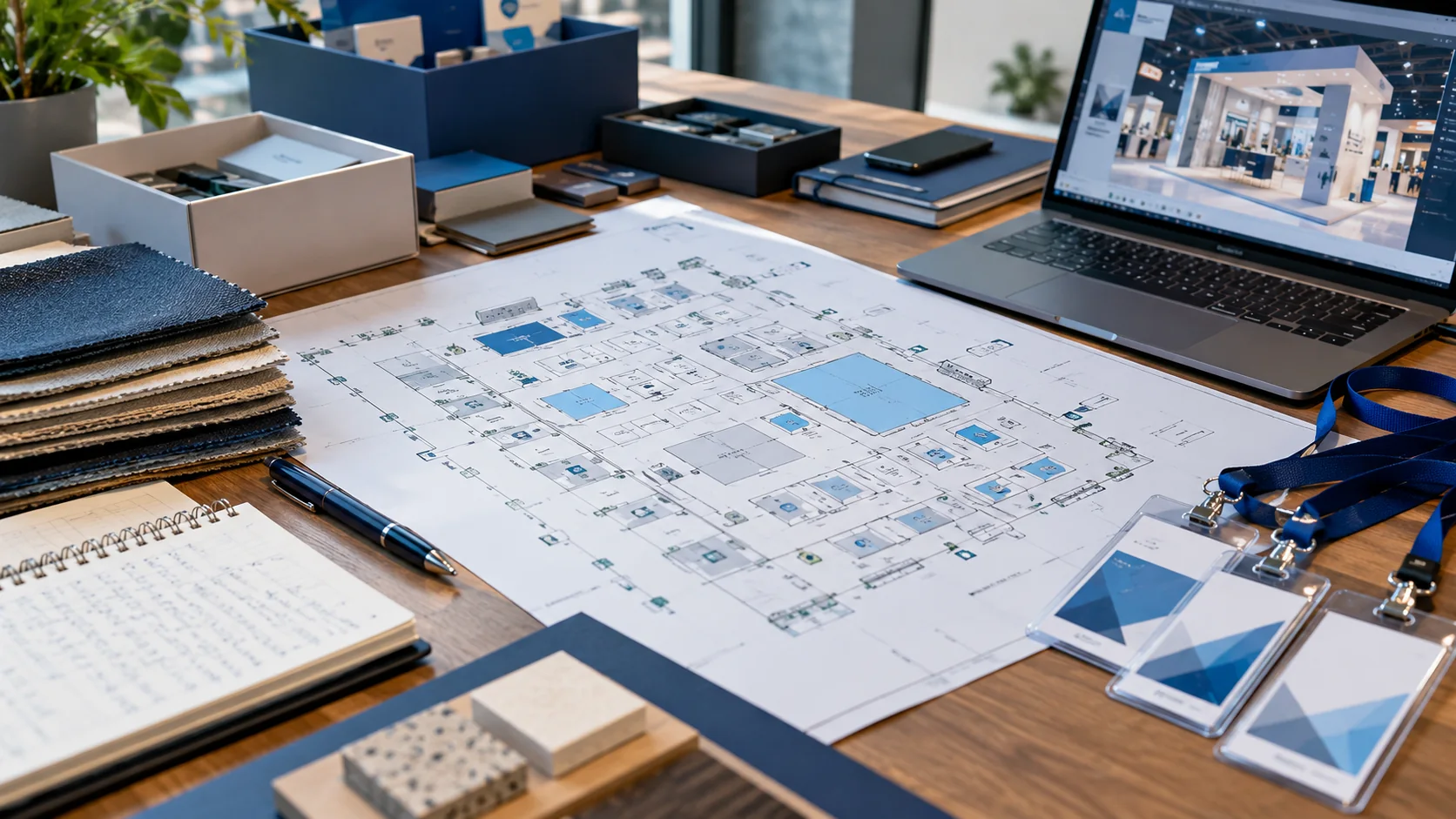
Lead qualification, notes, sample requests and next actions should be recorded while conversations are still fresh.
A disciplined follow-up sequence turns exhibition activity into a measurable business development pipeline.
Define the commercial purpose of attending
Choose the outcome that matters most before planning the booth. A company seeking distributors needs a different meeting plan from one introducing a consumer product or maintaining existing relationships. Identify the decision-makers you hope to meet, the questions you need answered and the next step you can realistically offer during a short conversation.
Translate that purpose into a small set of measures, such as qualified distributor conversations or follow-up meetings with suitable buyers. Estimate how many useful discussions the team can handle and prepare the staff accordingly. Attendance alone is not a commercial outcome; the value of an exhibition depends on the relevance of the relationships and the work that follows.
Prepare an experience that explains the offer quickly
Design the booth so that a visitor can understand the company’s role without hearing a lengthy introduction. Prioritize one clear message, representative products or examples and an easy route into conversation. Give the team supporting materials that match the visitor’s interest, rather than handing every attendee the same large catalog.
Rehearse common questions, including product fit, project requirements and how to request more information. Staff should know which claims they can make and which details require confirmation. Check presentations, screens, printed information and enquiry capture before the event. A calm, well-prepared experience helps the company appear organized and makes limited conversation time more productive.
Plan outreach before the exhibition opens
Build a target list using appropriate event information, existing contacts and permission-based outreach. Explain why a meeting would be relevant and offer a specific time or topic. When possible, ask potential buyers which materials would help them evaluate the business so that the meeting can move beyond a general introduction.
Create a schedule that leaves room for promising unplanned conversations. Brief the team on the intended audience and assign responsibilities for hosting, demonstrations and note-taking. Short daily check-ins during the event can reveal which messages resonate and which questions remain unanswered. Adjust the approach using those observations rather than waiting until the exhibition is over.
Make follow-up part of the event budget
Capture enough context to continue a conversation: the visitor’s role, relevant product interest, buying timetable and agreed next action. Store this information responsibly and use the visitor’s communication preferences. A stack of business cards without notes forces the sales team to start again and makes follow-up feel generic.
After the event, prioritize contacts by fit and readiness. Send the promised material, confirm outstanding questions and propose the next useful step. Review outcomes over a realistic period instead of judging the event on immediate sales alone. The strongest trade-fair program connects preparation, the onsite experience and disciplined follow-up into one coherent business-development process.