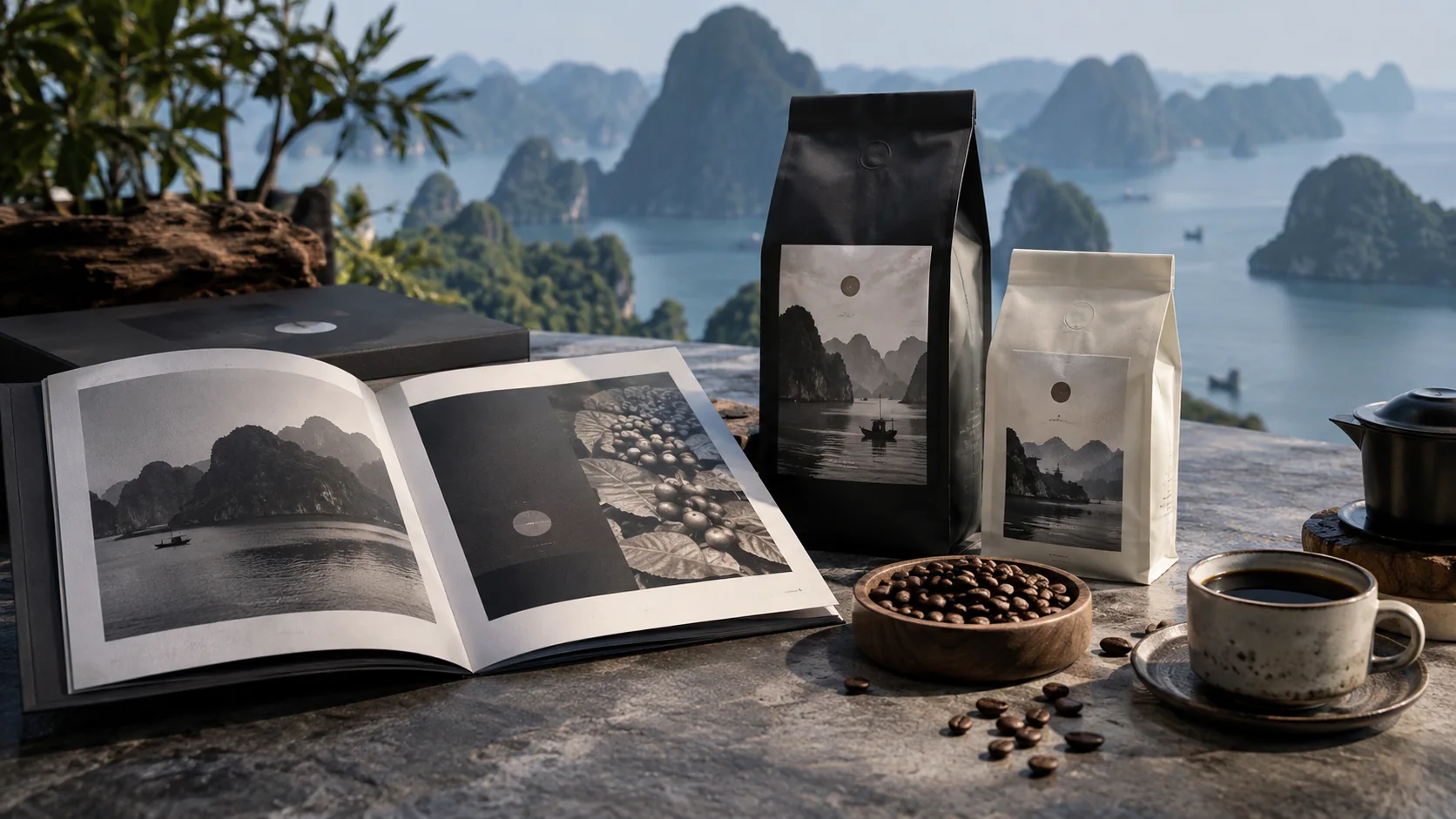
Vietnamese brands can build global credibility before their first international launch. The starting point is a clear promise supported by visible evidence, consistent communication and a buying experience that makes the business easy to assess. This guide outlines a practical preparation process for founders, brand teams and export businesses.
1. Define what the brand means in the target market
A strong product is the foundation, but international buyers also need to understand its relevance. Define the customer you want to serve, the problem your product solves and the reason a buyer should choose it over an established alternative. A positioning statement should explain this in plain language rather than rely on broad claims such as “premium quality”.
Choose an initial market and buyer type before adapting your communication. A distributor, a retail buyer and an end consumer need different levels of information. Start with a focused audience so your website, pitch deck and product presentation answer a real commercial question.
Vietnamese origin can be a meaningful part of the brand story when it connects to materials, craft, expertise or product provenance. Explain that connection with specifics. Avoid treating origin as a substitute for product differentiation.

2. Make business and product evidence easy to verify
Credibility grows when a potential partner can verify the business behind the promise. Present the correct company name, business contact details, product specifications, operating capability and relevant project examples. Make it clear which capabilities belong to your company and which are provided through partners.
Use only certifications, quality tests, customer references and market experience that you can substantiate. State the scope and validity of a certification where relevant; a claim about one facility or product should not imply that every product is covered. If a buyer needs technical documentation, give them a clear way to request it.
For exporters, prepare a concise buyer information pack: product range, specifications, packaging options, production or supply capacity, indicative lead times and a contact person. Confirm commercial terms against the actual order requirements rather than publish one-size-fits-all promises.

3. Build a consistent brand and communication system
A buyer may discover a brand at an exhibition, check its website and receive a sales deck a few days later. Those touchpoints should tell the same story. Use a shared hierarchy of positioning, product benefits, evidence and next steps across your website, presentation, packaging and social channels.
Define a small set of brand standards: approved logo files, typography, colors, photography direction, tone of voice and core messages. Give sales and marketing teams practical templates so the standards remain usable in everyday work.
Consistency does not mean copying one design into every format. A product specification sheet needs precision; a campaign needs attention; a sales deck needs a clear argument. Adapt the layout while preserving the same identity and verified claims.
4. Localize the buying experience, not only the language
A translated slogan is only one part of market readiness. Check whether product names, units, terminology, packaging information and calls to action make sense to the intended audience. Have important buyer-facing copy reviewed by someone who understands the language and the commercial context.
Create a website that works well on mobile, loads reliably and makes useful information easy to find. Visitors should be able to understand the offer, evaluate evidence and contact the right person without navigating an oversized headline or a confusing image layout.
Product requirements differ by category and destination. Before launch, verify applicable labeling, documentation and market-entry requirements with appropriate local specialists. Keep your marketing claims aligned with the information that has actually been approved for the market.
5. Connect brand visibility to buyer follow-up
International recognition becomes more useful when the next conversation is easy to start. Match each channel to a specific objective: an exhibition may support distributor meetings, paid media may test product interest and search content may help buyers research your capability.
Prepare a simple follow-up process. Assign responsibility for enquiries, collect the requirements needed for a useful response and provide relevant materials after each conversation. A clear, timely reply reinforces the confidence created by the brand presentation.
Measure commercially useful signals such as qualified enquiries, requests for product information, repeat website visits and progression to a meeting or quotation. Interpret those signals alongside lead quality and sales feedback; reach or clicks alone cannot prove that a brand is ready to scale.
6. Run a practical global credibility audit
Before entering a new market, review five things: positioning clarity; accuracy of business and product evidence; consistency of brand assets; usability of the website and sales materials; and ownership of enquiry follow-up. Ask someone unfamiliar with the company to complete the same review.
Can a buyer explain your offer after one minute? Can they find evidence for your most important claims? Do the website and sales deck agree? Does every primary action work on a phone? Is there a clear next step for a distributor or buyer? Any unclear answer is a useful priority for improvement.
Start with the gaps that create the most buyer uncertainty. A clear product page, a reliable contact route and a concise capability deck often provide a stronger foundation than adding more promotional content without fixing the underlying experience.
Common questions about international brand credibility
Do Vietnamese brands need a completely new identity for international markets? Not necessarily. An audit can show whether the existing identity needs refinement, more consistent use or a different presentation. Preserve recognizable brand assets where they still serve the strategy.
Can a smaller business build credibility without international case studies? Yes. Show accurate information about the company, the product, the team and the delivery process. Demonstrate what you can verify today, then build references through real work rather than imply experience you do not have.
What should come first: branding, a website or export outreach? Define the target buyer and positioning first, then build the minimum evidence and materials needed for a useful conversation. Align branding, digital experience and outreach so each supports the same buyer journey.